

The Differences Between UPC-A and EAN-13 for Amazon Sellers
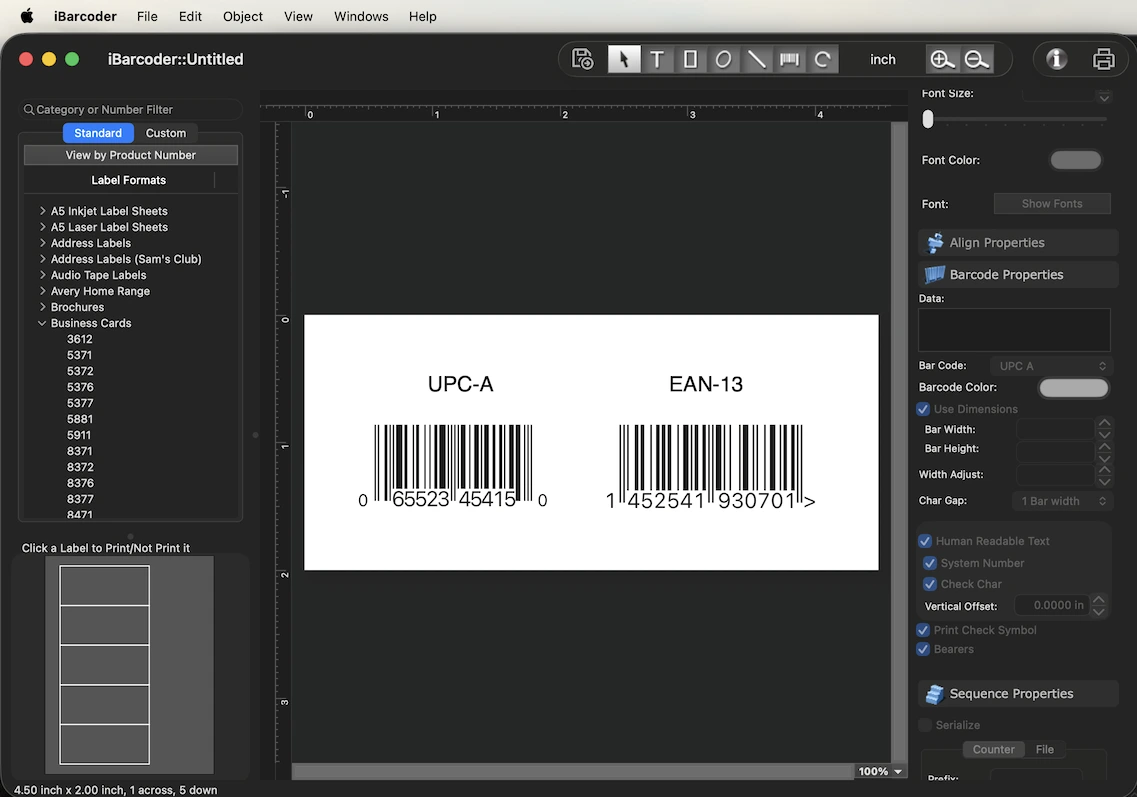
Choosing the right barcode for your product listings is a critical step in selling successfully on Amazon. If you are preparing to launch a new product, you will likely encounter two primary barcode formats: UPC-A and EAN-13.
While both are globally recognized standards managed by GS1, understanding their differences ensures your inventory scans correctly at fulfillment centers and lists smoothly on Amazon without compliance errors.
What is a UPC-A?
- • Format: A 12-digit numeric barcode.
- • Primary Region: Most commonly used and recognized in North America (United States and Canada).
- • Amazon Application: Traditionally the standard barcode format required by Amazon for products sold in the US marketplace.
What is an EAN-13?
- • Format: A 13-digit numeric barcode.
- • Primary Region: The international standard, widely used across Europe, Asia, and the rest of the world.
- • Amazon Application: Required for products listed on Amazon's international marketplaces (e.g., Amazon UK, Germany, France, Japan).
Key Differences at a Glance
| Feature | UPC-A | EAN-13 |
| Length: | 12 digits | 13 digits |
| Primary Market: | North America (US/Canada) | International (Europe, Asia, etc.) |
| Amazon Acceptance: | Fully accepted globally | Fully accepted globally |
| Visual Structure: | Shorter barcode symbol | Slightly wider barcode symbol |
Which One Should Amazon Sellers Use?
The good news for Amazon sellers is that Amazon accepts both UPC-A and EAN-13 for listings, provided they are officially licensed from GS1.However, your target market dictates your best choice:
- 1. Selling primarily in the US: Go with a UPC-A. It is the legacy standard familiar to American retail systems and Amazon's US catalog.
- 2. Selling globally or in Europe: Use an EAN-13. International retailers and European Amazon marketplaces natively rely on the 13-digit format.
- 3. Selling in both markets: If you source your barcodes directly from GS1 (GS1 US or your local GS1 organization), every GS1-issued GTIN actually contains both formats. A 13-digit EAN can often be read as a UPC-A simply by dropping the leading "0" (for example, an EAN starting with 0 matches the 12-digit UPC). Always verify your specific GTIN assignment through your GS1 dashboard.